
Correction or criticism: Handling feedback as skills get harder
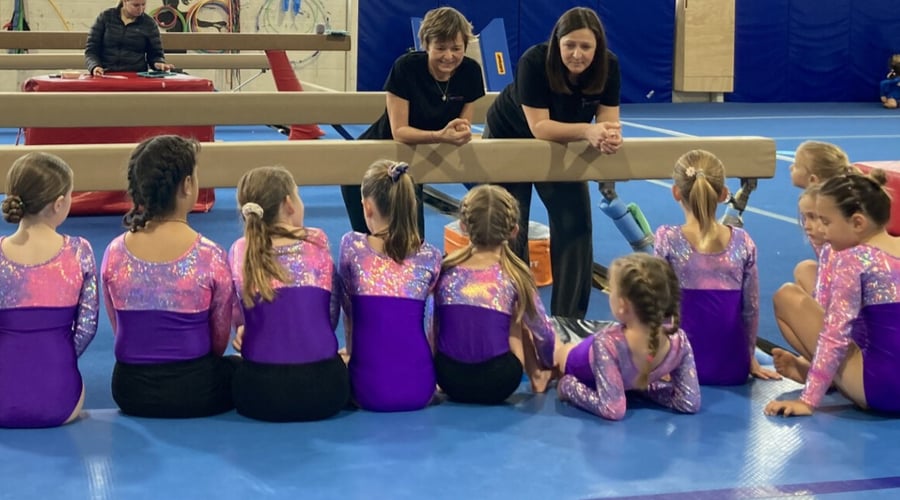
Gymnastics uses a lot of feedback. Not because coaches are harsh, but because tiny details, shapes, timing, landings are what keep children safe, progressing, and confident. As children move from “exploration” to real skill-building, training naturally becomes more structured and disciplined. If parents aren’t expecting that shift, normal coaching can suddenly feel personal or lacking in 'fun'.
But discipline and enjoyment are not opposites. In gymnastics, fun comes from progress, challenge, and feeling capable.
So how we determine correction versus criticism has to be distinctly clear?
Correction vs criticism - there's a huge difference
Correction: an instruction of what to adjust next
- “Feet together on landing.”
- “Tight tummy - hold your shape.”
- “Try again, slower and cleaner.”
Criticism: a judgement on who the child is
- “You’re lazy.”
- “You never listen.”
- “You’re hopeless at this.”
Research shows that specific, task‑focused feedback improves learning, while personal comments can create embarrassment, defensiveness, and poorer performance. Over a third of feedback interventions in large studies actually reduced performance when they shifted attention to the self instead of the task.
Good coaching corrects technique, not character. And when correction is clear and fair, children feel secure enough to enjoy the process.
Why gymnastics needs so much correction
Gymnastics is a motor‑skill sport. Children need feedback not just on whether they “did it,” but how they did it. A child can land a skill with poor mechanics and that’s how injuries and bad habits form. Motor‑learning research shows that well‑timed, specific feedback improves skill acquisition and safety.
So when a coach corrects often, it usually means “I’m paying attention, and I want you to be safe and strong.” And importantly, children should enjoy training more when they feel themselves improving. Progress is motivating. Mastery is satisfying. That’s where the fun should live.
Encouragement matters, but it doesn’t replace correction
Children need encouragement to stay confident and persistent and correction to improve and stay safe. Youth sport research shows that the best environments combine supportive coaching with clear technical instruction. Reducing harshness is good; removing correction is not.
Children with lower confidence may at times, feel feedback more intensely. That doesn’t mean avoiding correction, it means being consistent, calm and clear.
When training stops looking like play and why that’s still positive
Early gymnastics looks playful because children are learning to move safely, explore equipment, and build confidence.
As skills get harder, training needs more:
- Repetition to build reliable patterns
- Progressions to reduce risk
- Discipline for safety and focus
This shift is normal. It’s not “less fun” but it’s a different kind of fun. The enjoyment becomes:
- “I can do something new.”
- “I’m getting stronger.”
- “I’m learning a 'bigger' skill.”
- “I’m part of a team that works hard.”
We belivee, this is the kind of fun that builds resilience and pride and nurtures a child's personal growth. Parents can help prepare children for the shift by:
A) Teach what feedback means
- “Corrections mean your coach believes you can do it.”
- “Feedback is instructions, not judgement.”
B) Change how success is measured. Ask:
- “Did you try the correction?”
- “What small thing improved today?”
- “Did you keep going even when it was hard?”
C) Prime them before class
- “Your job today is to try the coach’s corrections.
D) Debrief after class
Swap “Were they nice to you? for “What did your coach help you fix today?” This helps teach the child to interpret correction as support.
A note for parents watching from the sideline
When you watch, you only see:
- a moment of tone
- one instruction
- none of the relationship context
- none of the safety decisions the coach is making
Gymnastics coaching often uses short, firm cues because children are rotating / moving quickly and safety matter whislt long explanations lose attention. In this case, direct doesn’t equal disrespectful. And direct coaching shouldn't remove enjoyment. In reality, it protects it by keeping the children safe and confident.
The line good coaches won’t cross and good clubs don't tolerate
Parents should expect correction that is:
- specific
- about technique or behaviour
- actionable
- consistent and fair
Parents should not accept:
- insults or humiliation
- name‑calling
- “you are…” labels
- sarcasm aimed at the child
If something feels off, we expect this to be raised privately with a senior member of the club, with clear examples.
How coaches can keep enjoyment alive within disciplined training
Enjoyment in gymnastics isn’t about silliness, it’s about engagement, progress, and connection. Coaches protect that by:
- celebrating small improvements
- keeping sessions purposeful and varied
- using challenges that make repetition feel meaningful
- maintaining a calm, encouraging tone even during firm instruction
- building strong coach and child relationships
- helping children feel ownership of their progress
The partnership that helps kids thrive
The strongest results come when coaches, parents, and kids are aligned Coaches: “Here’s the correction.” Parents: “Awesome, show me what you changed.” Children: “I can handle feedback and improve.” We believe that’s the formula for confident, resilient, and happy gymnasts. And is something we strive for everyday in class.
Next in the Knowledge Hub
The XPG hub for quality science and education around movement, gymnastics and nutrition

Register for a trial!
Experience the joy of gymnastics and watch your child thrive in a fun, safe environment. Book a trial session today to find the class that's best suited to your child's age and experience.
